
Home Repair Progress
Bringing families home, one block at a time.
5,000+ damaged structures
3,100+ applications reviewed
1,600+ preliminarily approved properties
525+ homes weatherized
60+ homes repaired and families back home
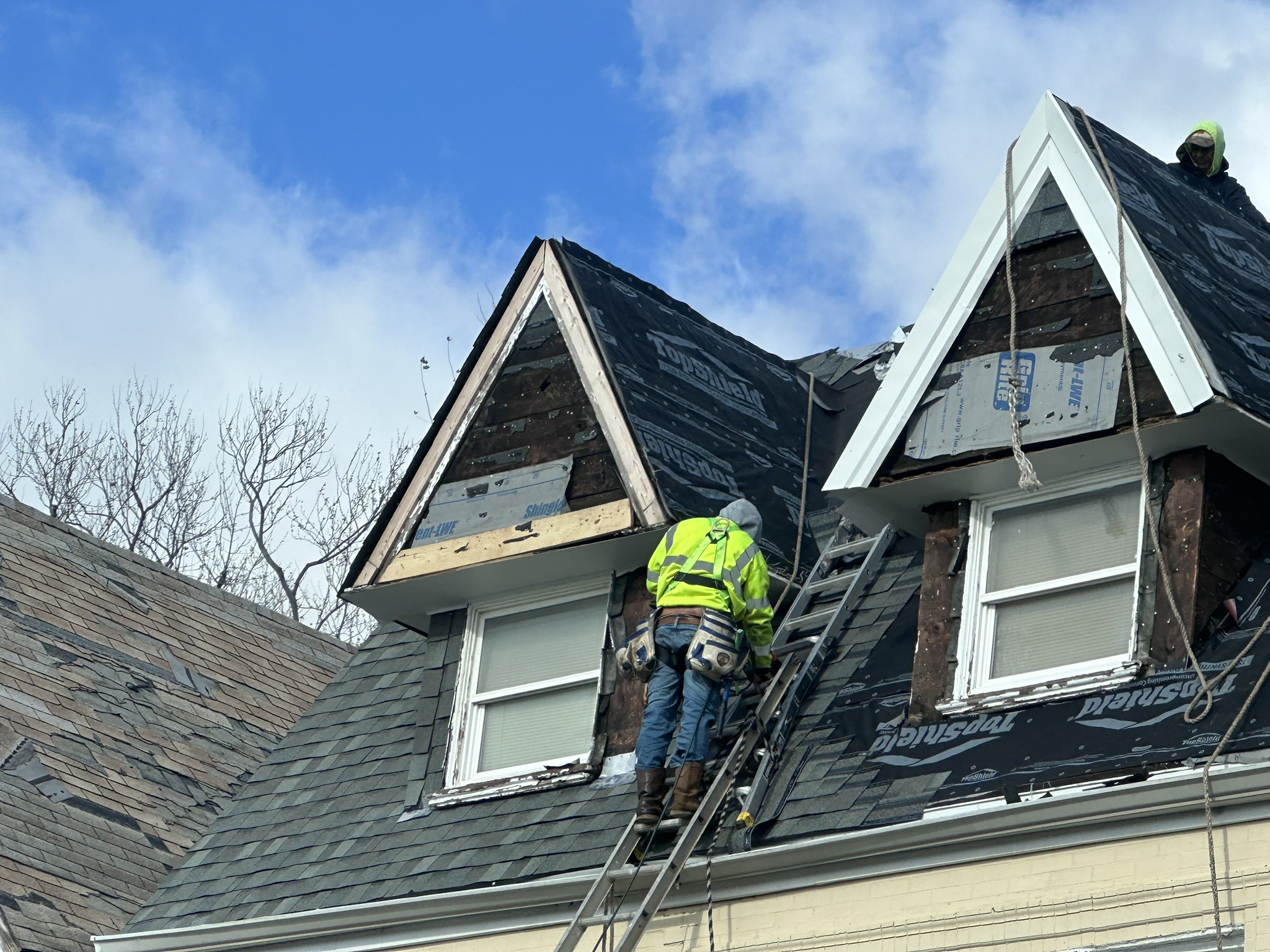
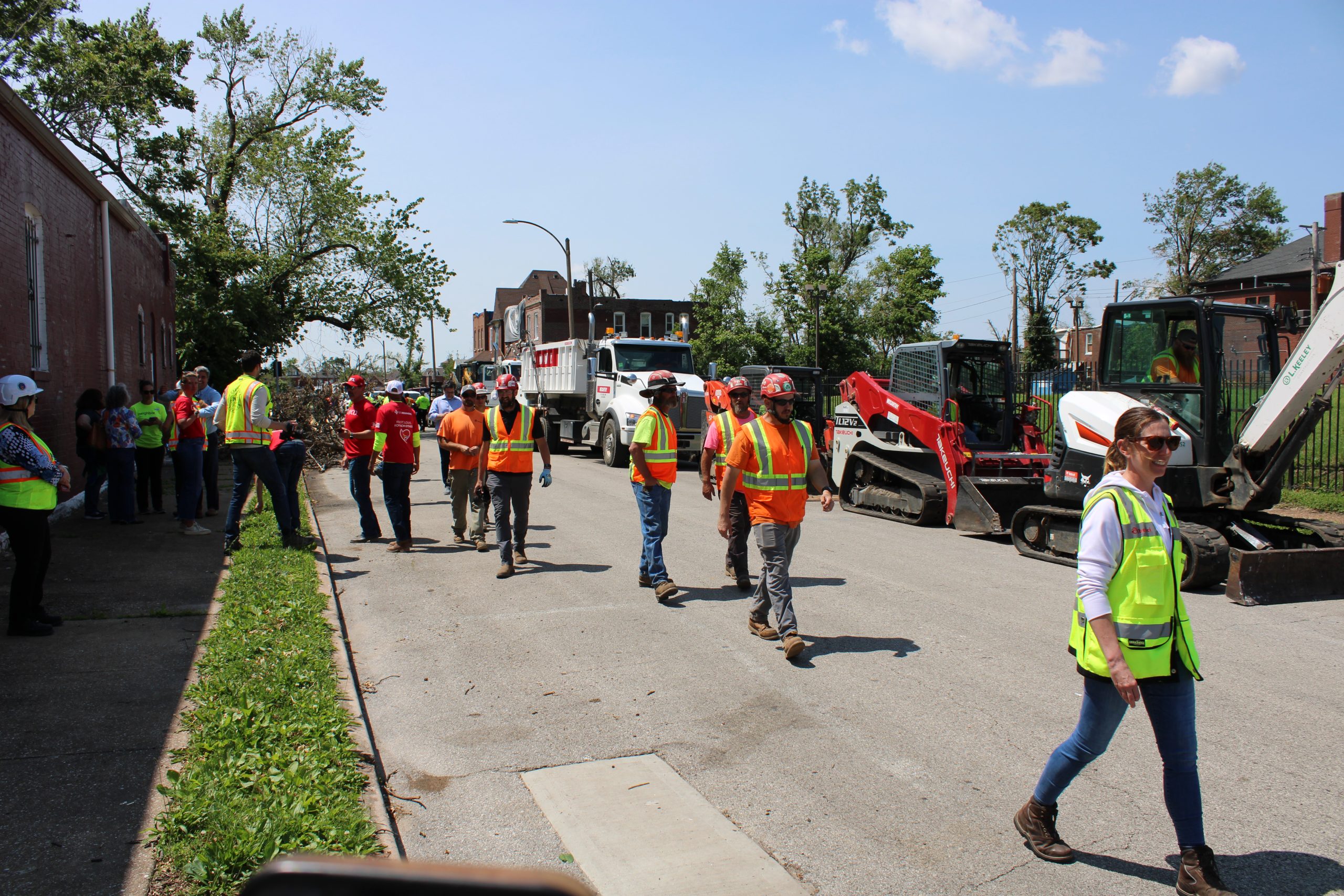
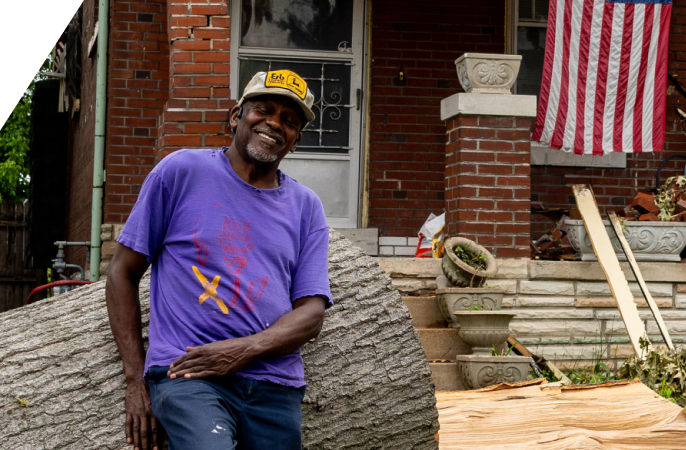
We repair tornado-damaged homes for owners who lived in them when the tornado hit, so families can return to a safe, livable home.
Who Qualifies
Home Repair is for owner-occupied homes. To qualify, a home must have been:
Rental and commercial properties do not qualify.
What repairs cover
Repairs make a home safe, sanitary, and functional, and livable again. Depending on the home, that can include:
Some homes need more work than the program can safely do. If that happens, our team will talk with you about other options.
WHEN WILL HOMES BE REPAIRED?
Repairs happen in three phases. Every eligible home has a place in line.
HOW WE SET THE ORDER
We start where the most homes need repair and the most neighbors still live. Crews work in compact areas so they can bring back whole blocks and neighborhoods together.
REPAIR PHASE 1 · PILOT
Finishing the first homes
The first homes approved for repair, including homes repaired through CDA’s Healthy Home Repair Program. Many are complete or under construction, and the rest are moving through inspections and permits.
REPAIR PHASE 2 · BATCHES A to M
Blocks where most neighbors are home
Starts after the pilot. Covers blocks where most homes are still lived in, with at least one block in every neighborhood.
REPAIR PHASE 3 · BATCHES N to Z
Building outward
Reaches blocks with fewer homes, starting next to blocks already repaired, alongside neighborhood rebuilding plans.
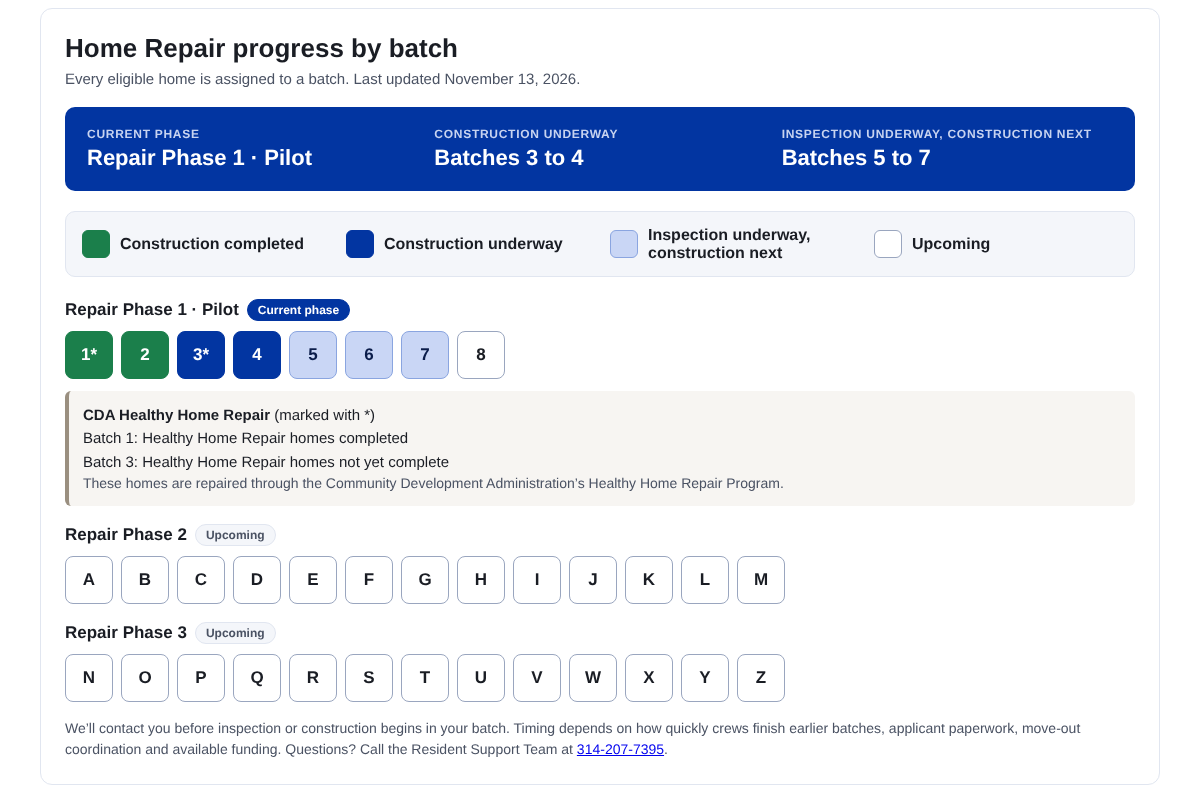
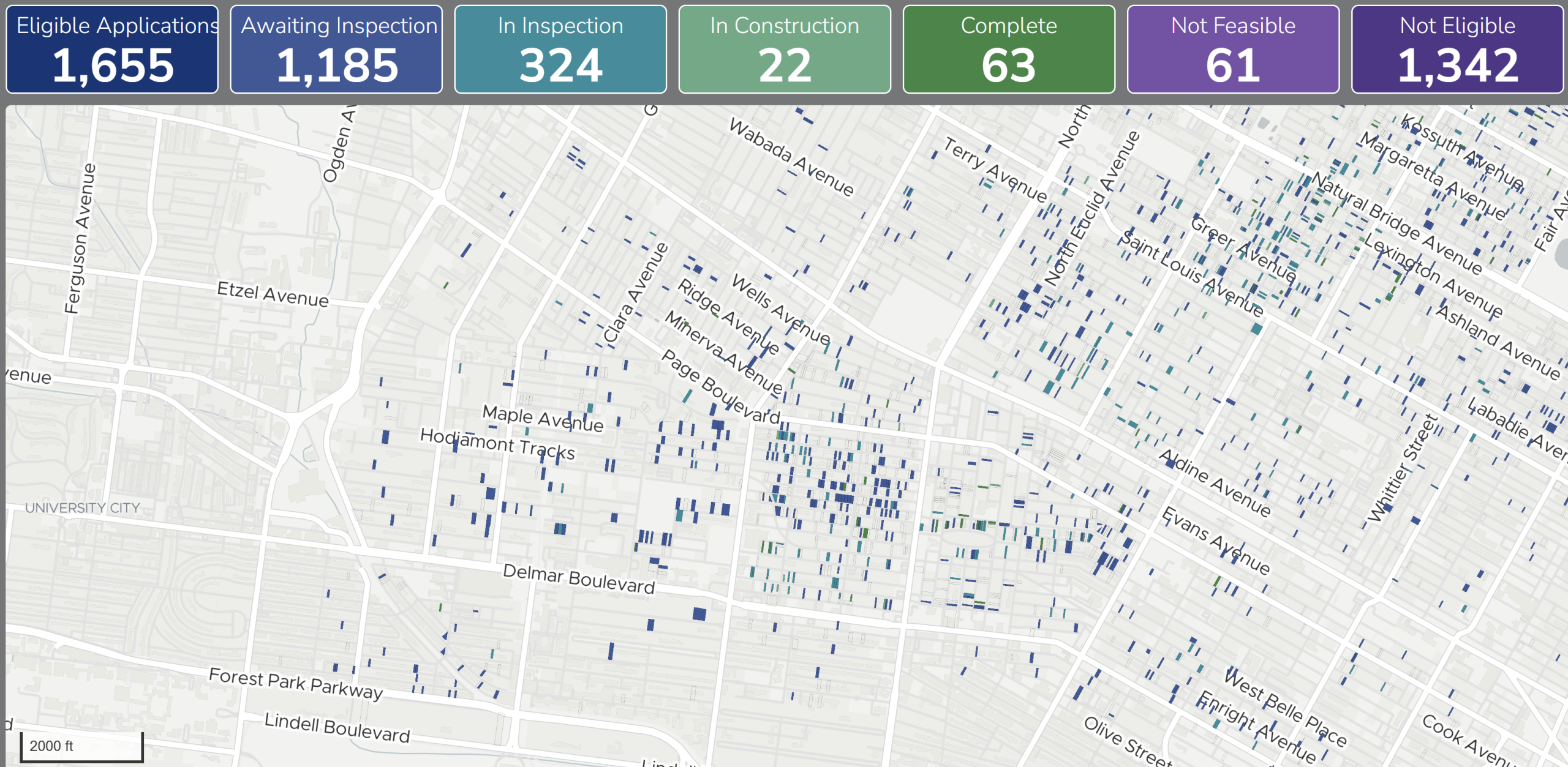
Families are coming home. See how many homes are eligible, under construction and repaired, by neighborhood, updated daily.

Why Applications Were Not Approved
Most applications that did not qualify were for rental properties. An application can have more than one reason.
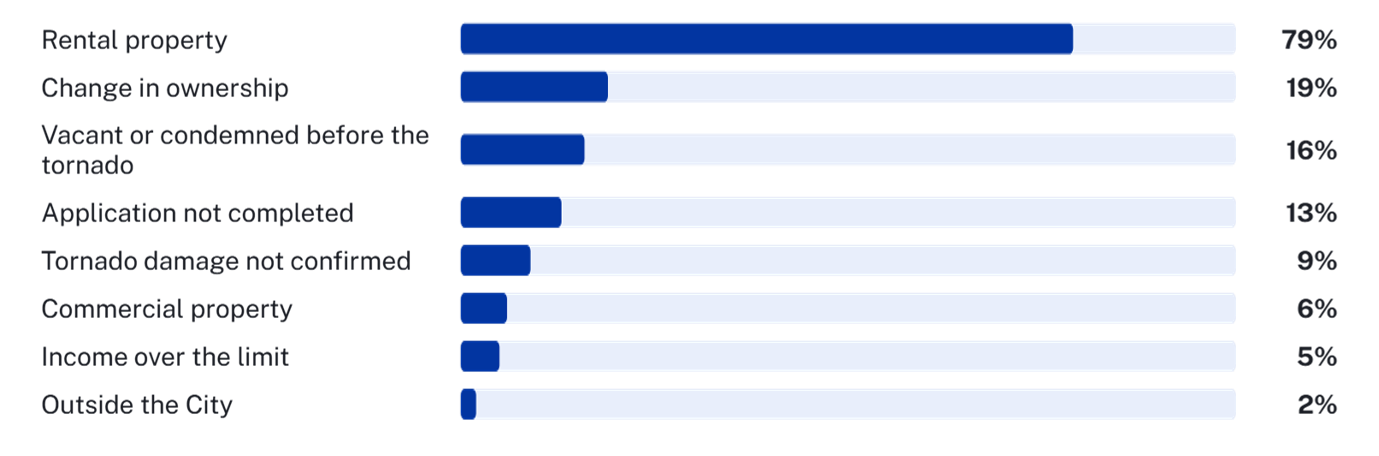
This chart reflects eligibility decisions as of November 13, 2026. We’ll update it in January, after all requests for reconsideration have been reviewed and applicants have been notified of the decisions.
DEADLINE DECEMBER 11
Requesting Reconsideration
If your November letter says a request for reconsideration is available, you can ask us to review your application again with new documents.
1
Gather your documents. Your letter lists what can help, such as proof you lived in the home on May 16, 2025.
2
Get a decision. Our Case Management Team will notify you of final eligibility decision by the first week of January.
3
Submit by December 11. You can file your request online or in person at the Outreach Center at 4401 Natural Bridge.
The Home Repair Program makes tornado-damaged homes safe, sanitary and functional. It does not return a home to the way it was before the tornado.
Homes are inspected in groups called batches. Inspections begin with Batch A in January 2027. Being assigned to a batch is the next step, not a final approval. The inspection shows whether your home can be repaired through the program.
STEP 1:
We contact you.
A case manager will call to schedule your inspection.
Your part: Answer the call or call us back at 314-207-7395.
STEP 2:
First inspection
An inspector checks damage inside and outside your home to see whether it may qualify.
Your part: Make sure an adult is home to let the inspector in.
STEP 3:
Detailed inspection and repair plan
Licensed inspectors check plumbing, electrical, heating and the sewer line. We then prepare a repair plan and cost estimate.
Your part: Make sure an adult is home for the second inspection.
STEP 4:
The City decides on repairs.
The City reviews the plan and cost estimate to see whether the repairs fit within program limits.
Your part: No action needed. We will contact you.
STEP 5:
Paperwork and final review
Your case manager may ask for documents. You will sign a statement confirming you owned and lived in the home on May 16, 2025.
Your part: Sign the statement and send documents by the deadline.
STEP 6:
Agreement and repairs.
If approved, you and the contractor sign an agreement before work begins. Your household will need to move out during construction, and your case manager will help you plan.
Your part: Sign the agreement and prepare for your move-out date.
A home can stop at Step 2, 3, 4 or 5. This happens if repairs would cost more than the program can pay, or if the final review finds the home does not meet program requirements. If that happens, we will call you to explain why and discuss your options before sending a written notice.
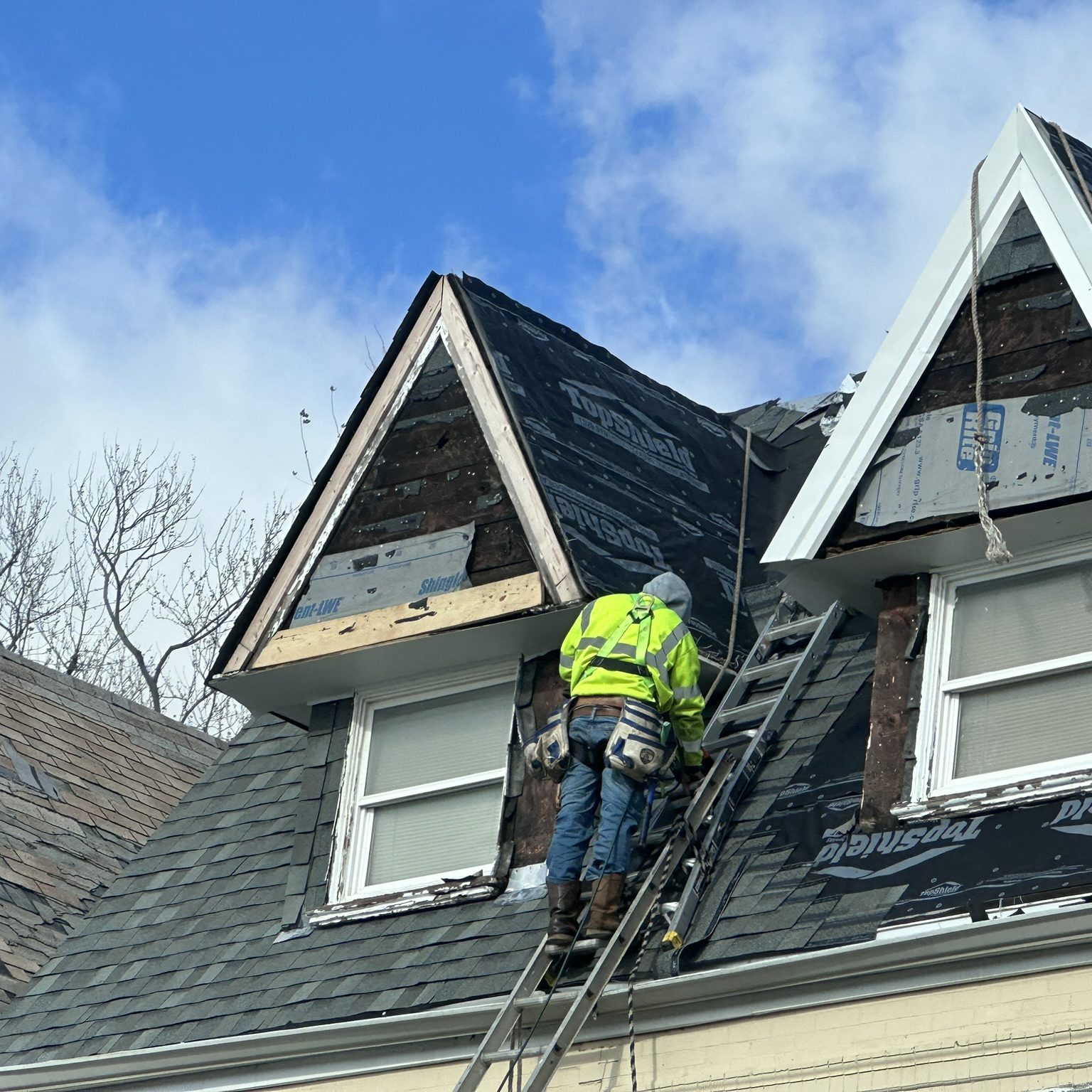
The City of St. Louis wants tornado-impacted residents to be able to live in a home that is safe, sanitary, and functional. The home repair program is intended to be a step toward recovery for eligible residents.
This program is unique, and has been created by the City specifically to address tornado-damaged homes in North St. Louis. These FAQs will be updated as new questions become available.
To be eligible for the program, your property must have been damaged by the May 16, 2025 tornado, you must be the property owner and lived in the property at the time of the tornado, you must have owned by a household with income at or below 120% of the Area Median Income, and you must have applied to the program by the cut-off date (February 28, 2026).
Rental and commercial properties do not qualify.
The City’s goal is to make each house safe, sanitary, and functional. The exact dollar amount varies house to house, as different houses may require different work to achieve that goal. Each house will receive a maximum of $50,000 of work, but many houses do not require the full amount to make the home safe, sanitary, and functional.
Safe: The exterior (roof, doors, windows) are secure and ensure safe access to two entrances, the interior of the building is safe and usable, the building is weather tight to prevent water from entering the home, visible water damage and mold is addressed.
Sanitary: The home is free from health hazards (lead paint, asbestos, radon, etc.), and water, sewer, or septic systems work the right way.
Functional: Essential utilities like electricity, gas, and water operate properly and the home’s bathroom and kitchen work correctly.
No, residents may not stay in the house while repairs are being done. Residents will have ample time to remove any belongings they don’t wish to leave behind and they will sign paperwork giving workers permission to enter their home. If a resident does not wish to leave the home or does not sign paperwork allowing work to begin, then no member of the contractor team will enter the property.
Residents who agree to the program should not return to the property while under construction unless agreed to by the contractor. This is a safety measure and residents who violate this agreement may be removed from the program.
Some residents may qualify for temporary relocation or moving assistance.
Once a contractor says they have completed work on a home, City of St. Louis officials will inspect the work. If the work does not meet quality standards, the contractors will be asked to fix the work. Before any home repair is considered finished, the home owner will be asked to sign paperwork acknowledging that the repairs stated in scope are complete and meet program standards.
Most homes will not be fully repaired through the program. The program is one step on the road to recovery and we anticipate that additional work may be desired (eg: painting, fixtures, updates). However, after completing the program, the home will be safe, sanitary, and functional.
Every eligible home has been placed in a batch, which sets the order we’ll work in. More than 250 homes were preliminarily approved for the pilot, and inspections and construction have started where repairs are feasible. All eligible homeowners have been notified of their status and can follow which batch we’re working on from this page. We’ll contact residents when inspection or construction begins in their batch.
Your letter explains why your application was not approved. If your letter says a request for reconsideration is available, you can ask us to review your application again with new documents, such as proof you owned and lived in the home on May 16, 2025. Requests must be submitted by December 11, online or in person at the STLRecovers Outreach Center. Decisions will be made by the first week of January.